Home Sweet Home: How Mortgage Loans Work for Rural Buyers
8/31/2026


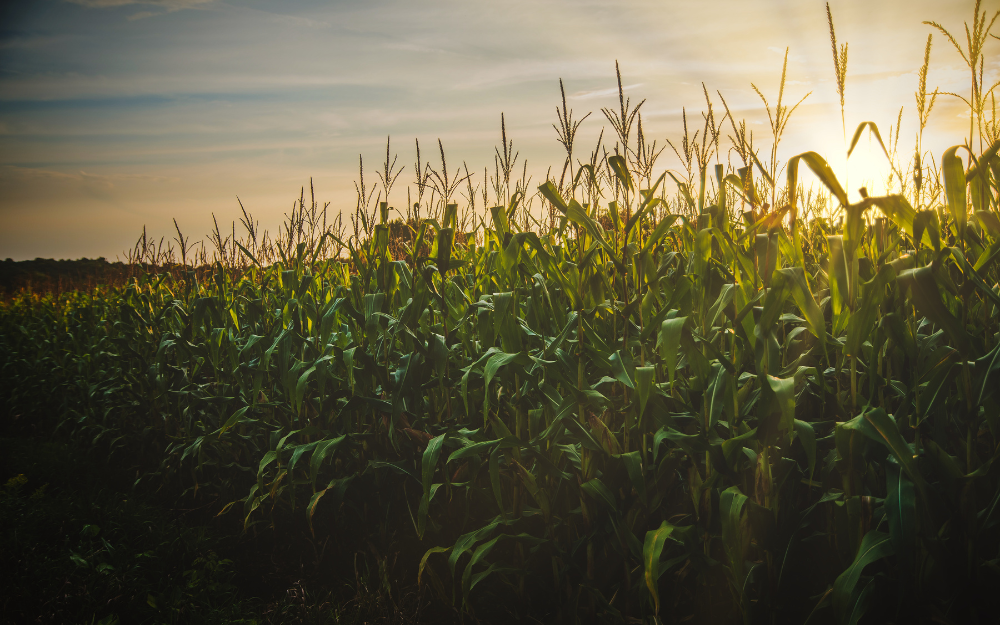
Buying a home looks different depending on where you're planting roots. A buyer in a big city and a buyer in a small farming community aren't just looking at different price tags. They're often looking at entirely different loan programs, appraisal processes, and timelines. At The Union Bank, we've spent a century helping neighbors here in our six communities find the right path to homeownership, and rural buyers have options that city buyers simply don't.
There's something special about watching a young family move into the same farmhouse their grandparents once called home, or seeing a first time buyer plant a garden in a yard just down the road from where they grew up. We've sat across the table for a lot of those moments. Homeownership in a small town isn't just a transaction, it's a family settling in, a porch light staying on, another name added to the church directory or the little league roster. Understanding how rural lending works is the first step toward making that moment happen for you.
Here's what makes rural mortgages unique, and how they stack up against loans in more urban areas.
The USDA defines rural areas by population, not by how far you are from a gravel road. Generally, a community qualifies if it has 10,000 residents or fewer. Towns with up to 35,000 residents can sometimes qualify too, if they've historically been considered rural or have a shortage of affordable mortgage options. That covers a lot more ground than people expect. In fact, the vast majority of land in the country falls into an eligible rural area, even some communities that feel more like small suburbs than farmland.
If you're not sure whether your dream home qualifies, the USDA's property eligibility map is the fastest way to check. Boundaries get reviewed periodically, so a property that didn't qualify a few years ago might now.
The biggest difference between rural and urban home buying often comes down to one thing: the USDA loan program.
USDA loans are designed specifically for buyers purchasing in eligible rural areas, and they come with some real advantages over conventional financing:
Zero down payment. Where a conventional loan might ask for 5 to 20 percent down, USDA guaranteed loans can finance 100 percent of the purchase price.
Competitive, often lower interest rates. Because the USDA guarantees a large portion of the loan to the lender, rates tend to be favorable compared to conventional options.
More flexible credit standards. There's no hard minimum credit score set by the USDA itself. Lenders set their own standards, which often opens the door for buyers who might not qualify elsewhere.
Income limits based on household size and area. These loans are built for low to moderate income households, with limits generally set at 115 percent of the area's median income for the guaranteed program.
There's also a direct loan option, aimed at low and very low income households, which can include payment assistance that brings the effective interest rate down significantly for qualifying buyers.
Down payment. This is where rural buyers see the biggest edge. Urban and suburban buyers relying on conventional or FHA loans are usually putting down anywhere from 3 to 20 percent. A rural buyer using a USDA loan can often buy with nothing down at all.
Property type. City buyers often choose between condos, townhomes, and single family homes, with financing options built around all three. USDA loans are more restrictive: the property needs to be a single family, owner occupied primary residence. Investment properties and most income producing properties don't qualify, though a home-based business like a small craft shop or in-home childcare won't disqualify you.
Appraisals and inspections. In a dense urban market, comparable sales are often just blocks away. In rural areas, appraisers may need to travel farther to find comparable properties, which can occasionally add time to the process. It's worth building a little extra patience into your timeline.
Loan limits. Conventional loans in high cost urban areas often come with higher loan limits to match higher home prices. USDA loans don't have a fixed nationwide cap, but they're scaled to the more modest price points typical of rural housing markets, which lines up well with the kind of homes most rural buyers are purchasing.
Population and location rules. Urban buyers don't think about population caps at all. Rural buyers do. If a growing small town creeps past the population threshold, it can affect eligibility, which is why checking the map early, and again closer to your offer date, is smart practice.
Agriculture and small town living built this bank, and we've watched generations of families use rural lending programs to buy their first home, expand the family farm, or move back to the community they grew up in. These loan programs exist because rural homeownership strengthens the towns we all depend on: more families investing in Main Street, more kids in the local school, more hands showing up for the parade committee.
If you're weighing a move to town or you're a lifelong local ready to buy your first place, our lenders can walk you through whether a USDA loan, conventional loan, or another option fits your situation best. Every buyer's path looks a little different, and that's exactly why we sit down and talk it through one on one.
Ready to talk through your options? Stop by any of our six branches or give us a call. We'd love to help you find your way home.
This post is for general informational purposes and does not constitute financial or lending advice. Loan eligibility, terms, and income limits are subject to change. Contact The Union Bank directly to discuss your specific situation.